
Jargon busters
Below you will find clear explanations and definitions for industry-specific terms.
Carbon calculator
A tool used to estimate the amount of carbon dioxide equivalents emitted by an individual, organisation or activity, helping identify opportunities for reduction.
Carbon footprint
The total amount of greenhouse gases, measured in carbon dioxide equivalents, produced directly or indirectly by human activities.
Carbon neutrality
Achieved when an entity's overall carbon emissions are balanced by the removal or offsetting of an equivalent amount of emissions.
Carbon offsetting
Compensating for carbon emissions by investing in projects that reduce or capture an equivalent amount of greenhouse gases elsewhere.
Certification
A third-party certification verifying that a product or business meets specific environmental and sustainability standards.
Circular economy
An economic model that prioritises keeping products and materials in use, reducing waste, and promoting sustainability throughout the product life cycle.
Energy efficiency
Using less energy to perform the same task, achieved through improved technologies and practices to reduce energy waste.
Greenhouse gases
Gases that trap heat in the Earth's atmosphere, contributing to the greenhouse effect and climate change. The term 'carbon emissions' not only includes carbon dioxide (CO2), but all other greenhouse gases (GHG) covered under the Kyoto Protocol: methane (CH4), nitrous oxide (N2O), hydrofluorocarbons (HFC), perfluorocarbons (PFC) and sulphur hexafluoride (SF6).
Lifecycle assessment (LCA)
A Lifecycle Assessment (LCA) is a technique for assessing the environmental impacts associated with a product or service across its lifecycle. By understanding the impact from cradle to grave, improvements and efficiencies can be identified and implemented.
Renewable energy
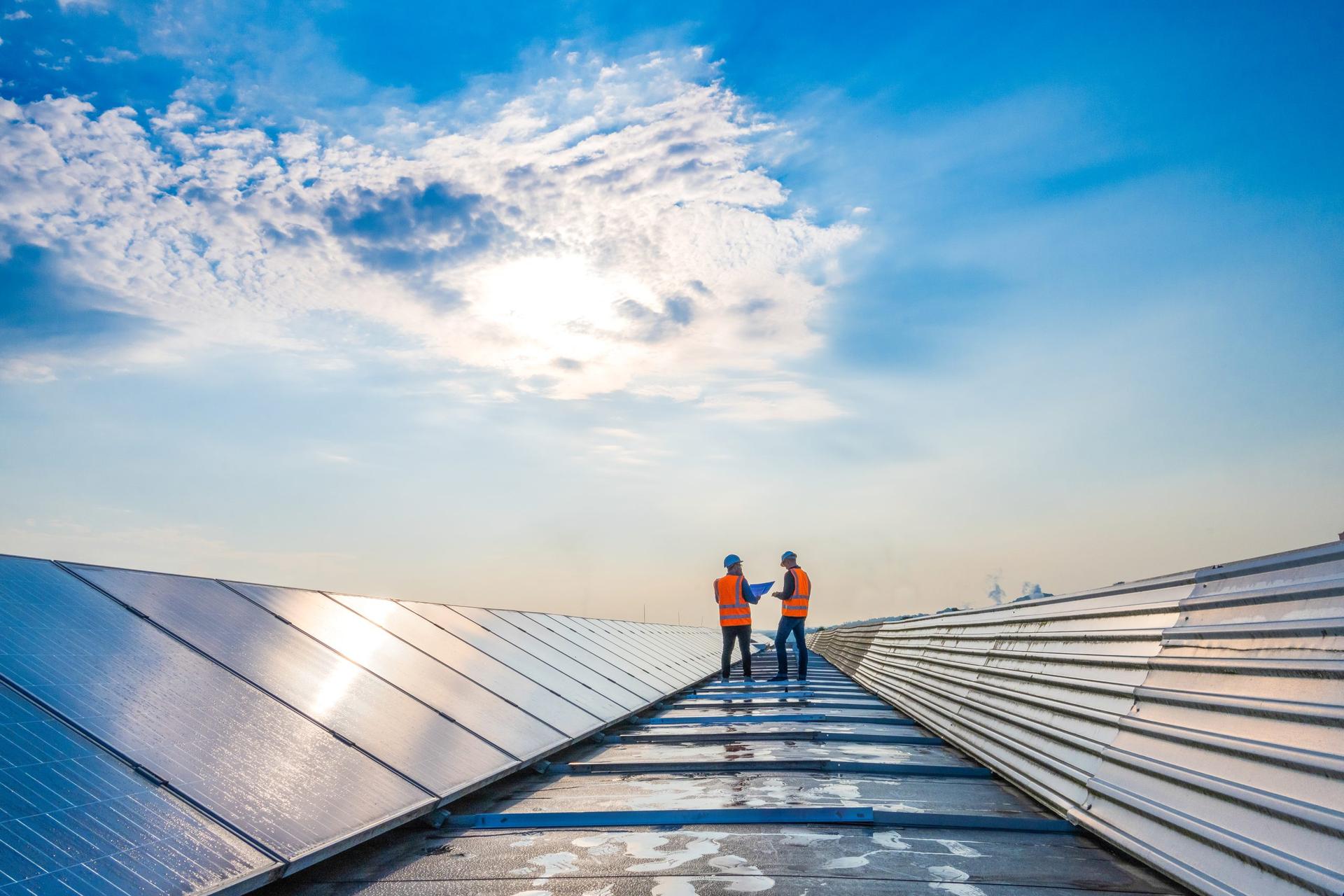
Energy derived from sources that are naturally replenished, such as solar, wind, hydro, and geothermal energy, minimising environmental impact.
Supply chain
The sequence of processes involved in the production and distribution of goods, including raw material extraction, manufacturing, transportation, and retail.
Sustainability
Practices that meet current needs without compromising the ability of future generations to meet their own needs, balancing environmental, social, and economic considerations.
Still have questions?
Contact us for further assistance.